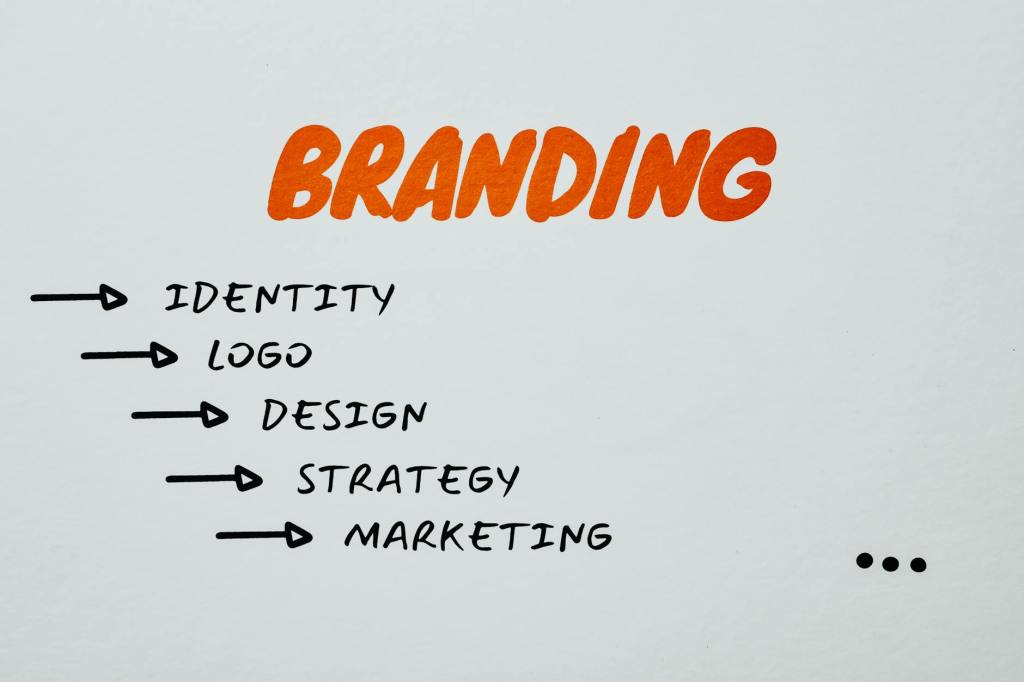
In today’s competitive market, establishing a strong brand is crucial for business success. Branding goes beyond just a logo or a catchy tagline; it encompasses the entire perception of your company in the minds of consumers.
What is Business Branding?
Business branding refers to the process of creating a unique identity and image for your company in the marketplace. It includes the visual elements like logos and color schemes, as well as the intangible aspects such as customer perceptions and company values.
Why Branding Matters
Differentiation: A strong brand helps distinguish your business from competitors. It communicates what makes your company unique and why customers should choose you over others.
Customer Loyalty: A consistent and appealing brand fosters trust and loyalty among customers. When people recognize and feel positive about your brand, they are more likely to return.
Perceived Value: Effective branding can increase the perceived value of your products or services. A well-established brand often commands higher prices and attracts premium customers.
Elements of Successful Branding
Brand Identity: This includes your logo, color palette, typography, and overall design. Ensure that your brand identity is consistent across all platforms and materials.
Brand Voice and Messaging: Define the tone and style of your communication. Whether it’s professional, casual, or friendly, consistency in messaging reinforces your brand’s personality.
Brand Values and Mission: Clearly articulate what your brand stands for. Your values should resonate with your target audience and be reflected in your business practices and customer interactions.
Customer Experience: Every touchpoint with your brand, from your website to customer service, should reinforce your brand identity and values. A positive experience builds a strong, lasting impression.
Steps to Build Your Brand
Define Your Brand: Start by identifying your brand’s core values, mission, and unique selling propositions. Understand your target audience and what appeals to them.
Create a Brand Identity: Design a memorable logo and choose colors and fonts that align with your brand’s personality. Ensure that all visual elements are cohesive.
Develop Your Brand Voice: Craft a consistent tone for your communication that reflects your brand’s character. Use this voice across all marketing materials and customer interactions.
Implement and Monitor: Launch your brand identity through various channels and consistently apply it. Monitor customer feedback and make adjustments as needed to strengthen your brand.
Evolve as Needed: As your business grows, be open to evolving your brand. Stay relevant by adapting to market changes and customer preferences while maintaining core brand values.
Conclusion: Effective branding is a strategic asset that can propel your business to new heights. By defining a clear identity, communicating consistently, and delivering a positive customer experience, you can build a brand that stands out and resonates with your audience. Invest time and resources into developing your brand, and you’ll see the long-term benefits in customer loyalty and market success.
 Get Success